The best physiotherapy often happens not in a clinic, but in the places where you actually live, move, and spend your time.
Community-based therapy brings your physiotherapist into the real environments that matter to you, and builds a program around how you actually function in your daily life.
What is community-based physiotherapy?
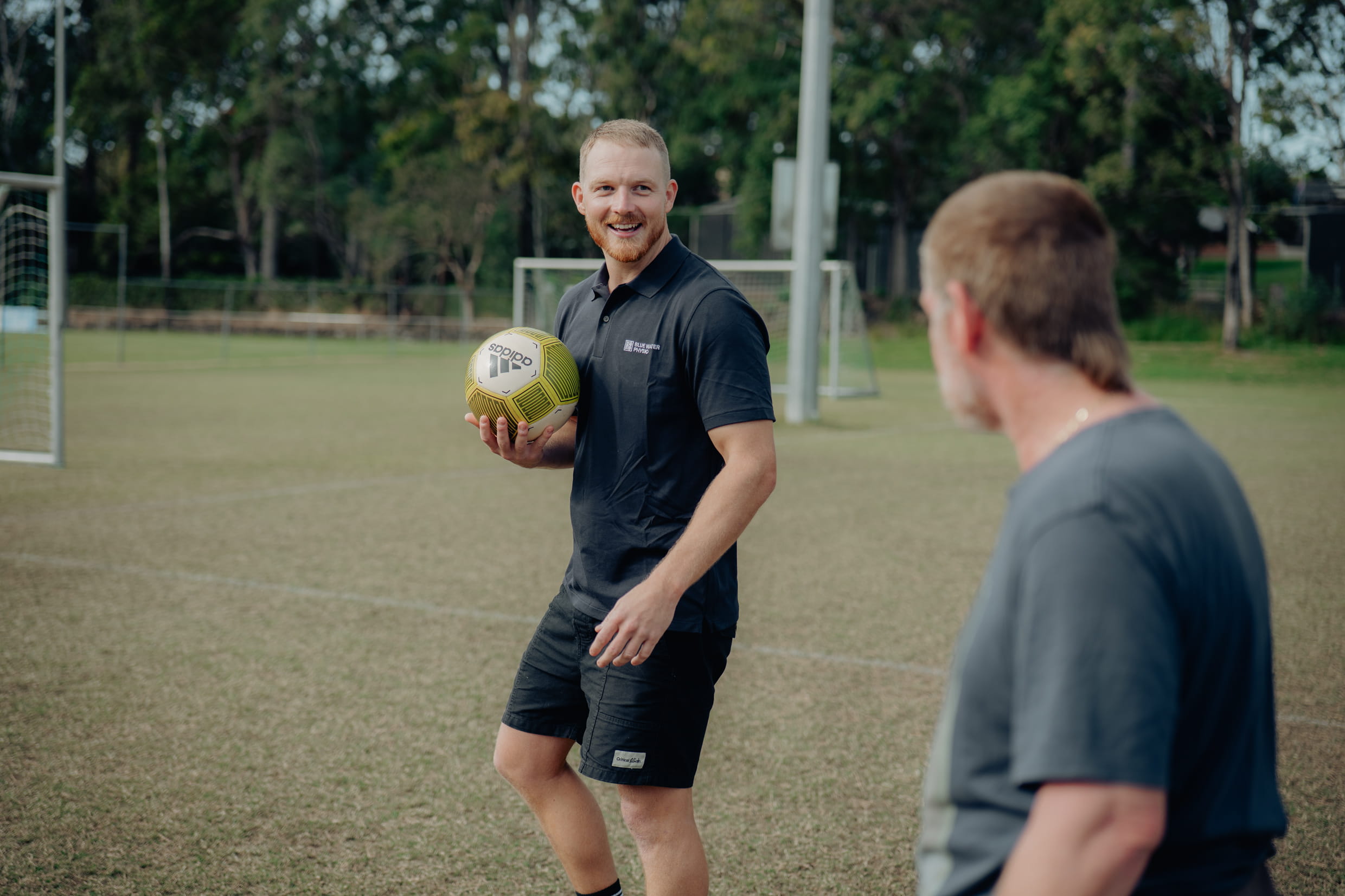
Community-based physiotherapy is physiotherapy delivered outside a clinic in places like your home, local park, gym, pool, community centre, or any environment relevant to your goals. The location is chosen because it is meaningful to you, and because practising in real-world settings can support the transfer of skills to everyday life.
Who is it for?
- NDIS participants with community access and participation goals
- People working on independence in daily environments
- Those with neurological or complex conditions who benefit from functional, environment-based therapy
- Paediatric clients who engage better in familiar or community settings
- Anyone for whom a clinic environment is difficult to access or not appropriate
Where sessions take place
Sessions can take place wherever makes sense for your goals. This might be your home, a park, a local pool, a community gym, a school, a community centre, or somewhere else entirely. Your physiotherapist will discuss the most suitable environment with you before the program begins.
How we deliver it
We work with clients across the Gold Coast and Northern NSW, including Robina, Broadbeach, Helensvale, Coomera, Tweed Heads, Murwillumbah, Mullumbimby, Byron Shire, and Ballina.
We also coordinate closely with your support coordinator, support workers, and any other allied health professionals involved in your care.
Funding your community-based therapy
- NDIS: Capacity Building (Improved Daily Living). We work with agency-managed, plan-managed and self-managed participants.
- Support at Home: we work alongside your Support at Home provider.
- Restorative Care Pathway: short-term allied health support through Support at Home, arranged with your aged care provider.
- Medicare: rebates for up to five sessions a year with a GP Chronic Condition Management Plan and GP referral.
- Private health insurance: depending on your extras cover.
- DVA: Gold Card or White Card (for accepted conditions), with a GP referral.
- Private (self-funded)
Frequently Asked Questions
What is community-based physiotherapy?
It is physiotherapy delivered in real-world community environments rather than a clinic. Sessions take place in locations meaningful to you, such as your home, local park, gym, or community centre.
Where can my physiotherapy sessions take place?
Sessions can take place at home, at a park, pool, gym, school, or community venue. Your physiotherapist will work with you to choose the most appropriate environment for your goals.
Is community physiotherapy funded by NDIS?
Yes. Community-based physiotherapy can be funded through NDIS under Capacity Building or Community Participation budgets, depending on your plan goals.
Do you travel to regional areas like Murwillumbah or Byron Shire?
Yes. We service areas across Northern NSW including Murwillumbah, Mullumbimby, Byron Shire, and Ballina, in addition to the Gold Coast.
How is community therapy different from in-home physiotherapy?
In-home physiotherapy is delivered at your home specifically. Community-based therapy can include your home but also extends to gyms, pools, parks, and other community environments relevant to your goals.